

10 to 15 years
That's the typical working life of a tank water heater. If yours came with the house and you don't know its age, the data plate inside the door has the install date.
Skip collecting and comparing quotes for the new water heater.
Skip the callsRusty water, a tank that leaks at the seams, or water that won't get hot anymore are the clearest signs it's time to replace it. Most tanks last ten to fifteen years, and once one starts going, it tends to go fast. Rust in the water means the tank itself is corroding from the inside, and that doesn't get better. A puddle at the base usually means a crack has already formed, and a cracked tank isn't something to patch. If recovery time keeps getting longer, the heating element or burner is losing the fight against sediment and age. In Maine, where oil heat already takes a hit on fuel in winter and electric rates run high year round, an old water heater working harder than it should adds to a bill that's already stretched. Catching these signs early means choosing the replacement on your own timeline instead of scrambling for one after a tank fails overnight and leaves you without hot water.


Every tank is steel wrapped in a thin glass lining, and that lining is the only thing standing between the water and rust. A rod inside the tank is built to corrode first, drawing the damage to itself so the tank doesn't take it. Once that rod is spent, there's nothing left to protect the steel, and the clock starts. Years of use leave sediment sitting on the bottom, and that layer makes the burner work harder than it should just to heat the same water. If you hear popping or rumbling while it's running, that's usually water trapped under the sediment, not a sign the tank is about to go. A relief valve that keeps dripping is worth more attention. It's telling you pressure is building inside faster than it's supposed to. And if yours runs on gas, look at the flue connection once in a while. Scorch marks or discoloration there often show up on a tank that's getting close to done.




That's the typical working life of a tank water heater. If yours came with the house and you don't know its age, the data plate inside the door has the install date.
An aging water heater loses efficiency before it fails outright, and in Maine that shows up on the bill faster than in most states.

A tank that's starting to go doesn't wait for a convenient week. It fails on a Sunday, or during a cold snap when every oil-heated house on your street is already asking a lot of its systems. Water pools under the tank, finds the nearest floor drain or doesn't, and you're bailing out a utility closet instead of calling someone during business hours. With power costing what it does here, a tank that's lost efficiency to sediment or a failing element is also running up your bill quietly, month after month, before it ever fails outright.
Finding someone to replace it shouldn't be its own project. You don't need to call around, describe the leak three times to three different companies, and sit on a pile of quotes trying to guess which one's honest. One call connects you with a licensed plumber local to Maine who installs water heaters in homes like yours all year and knows what tends to give out first in a tank this age.

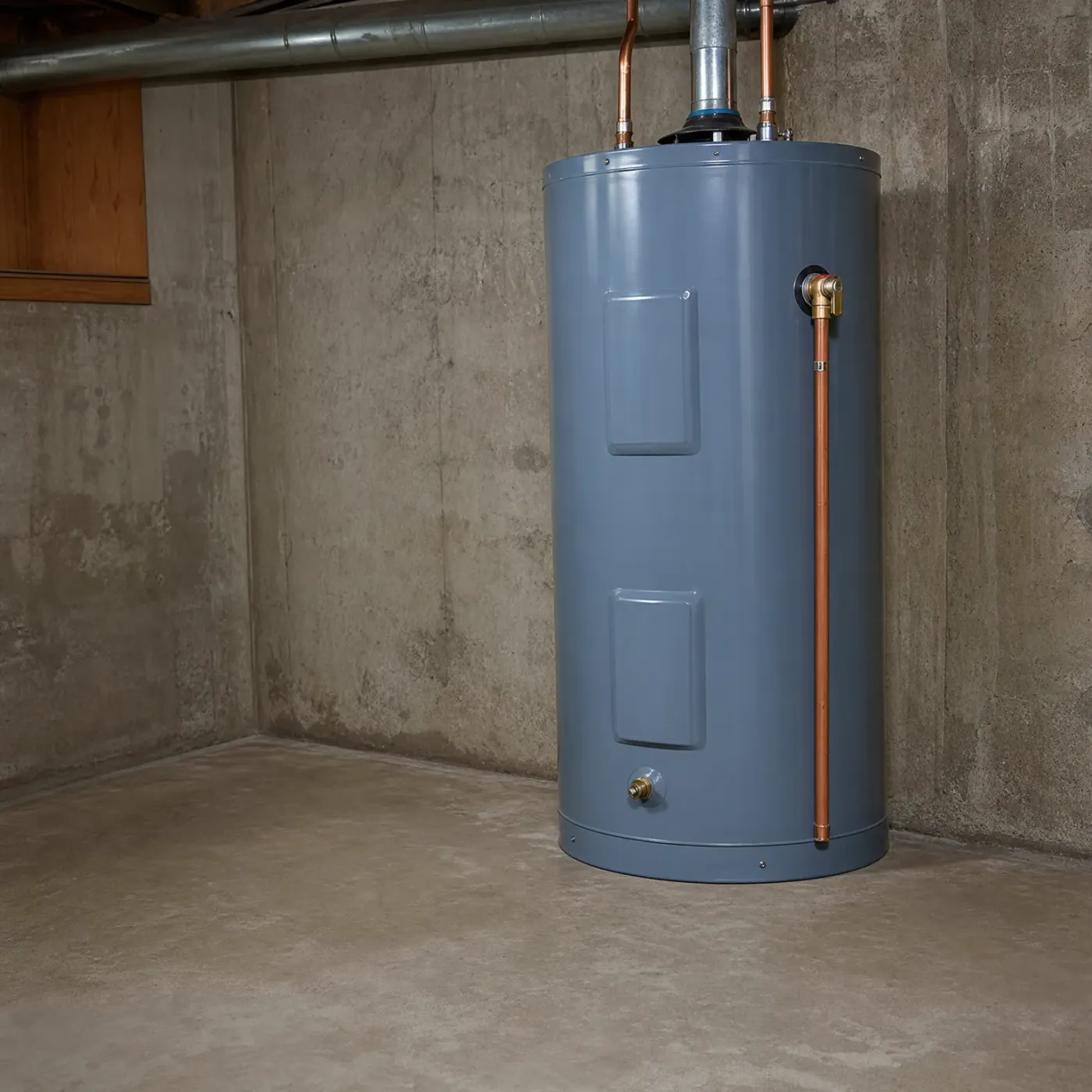
A sound tank heats water and stays quiet about it. The pipes at the top stay dry, the fittings stay tight, and the drain valve near the base only matters when someone opens it on purpose. Nothing about it asks for attention.
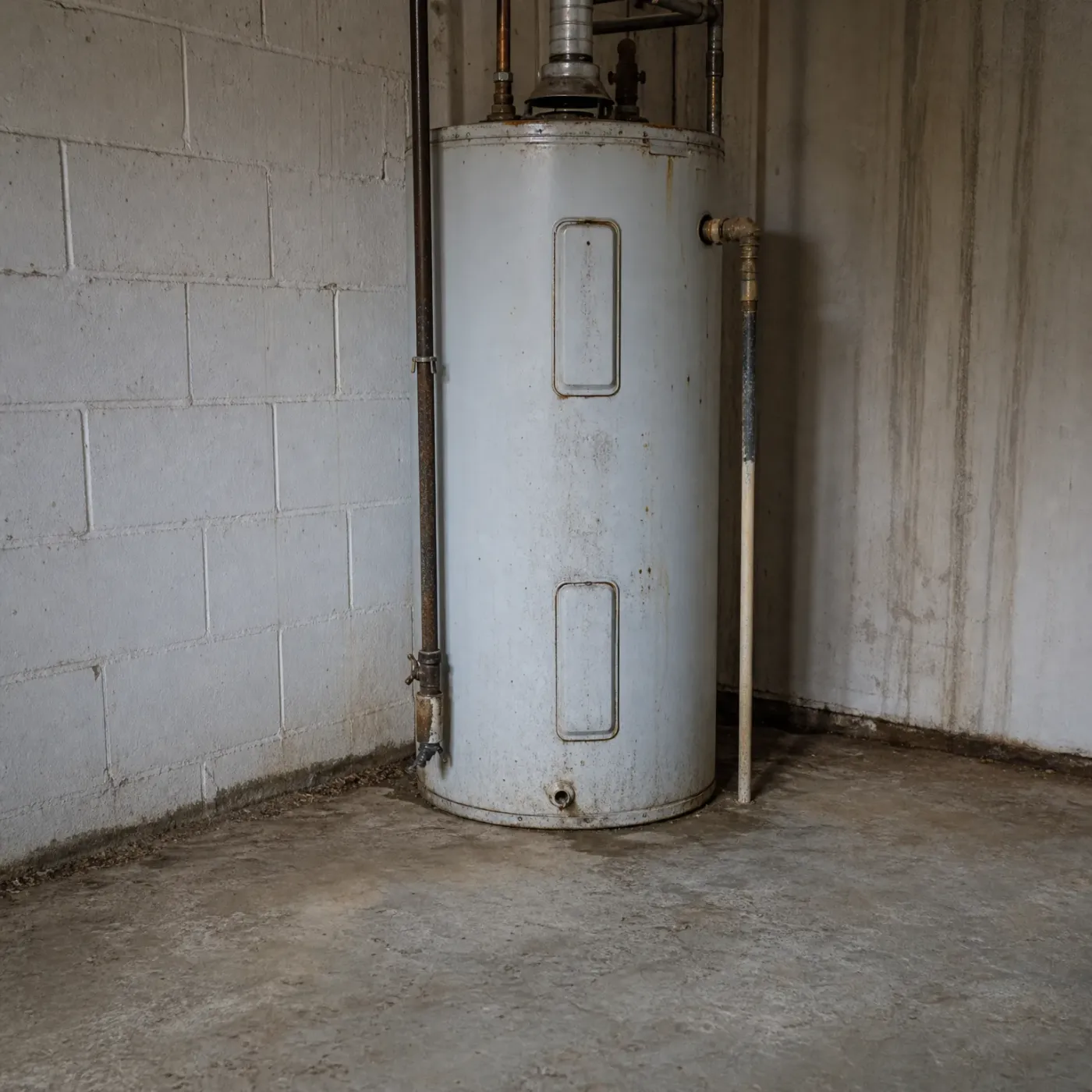
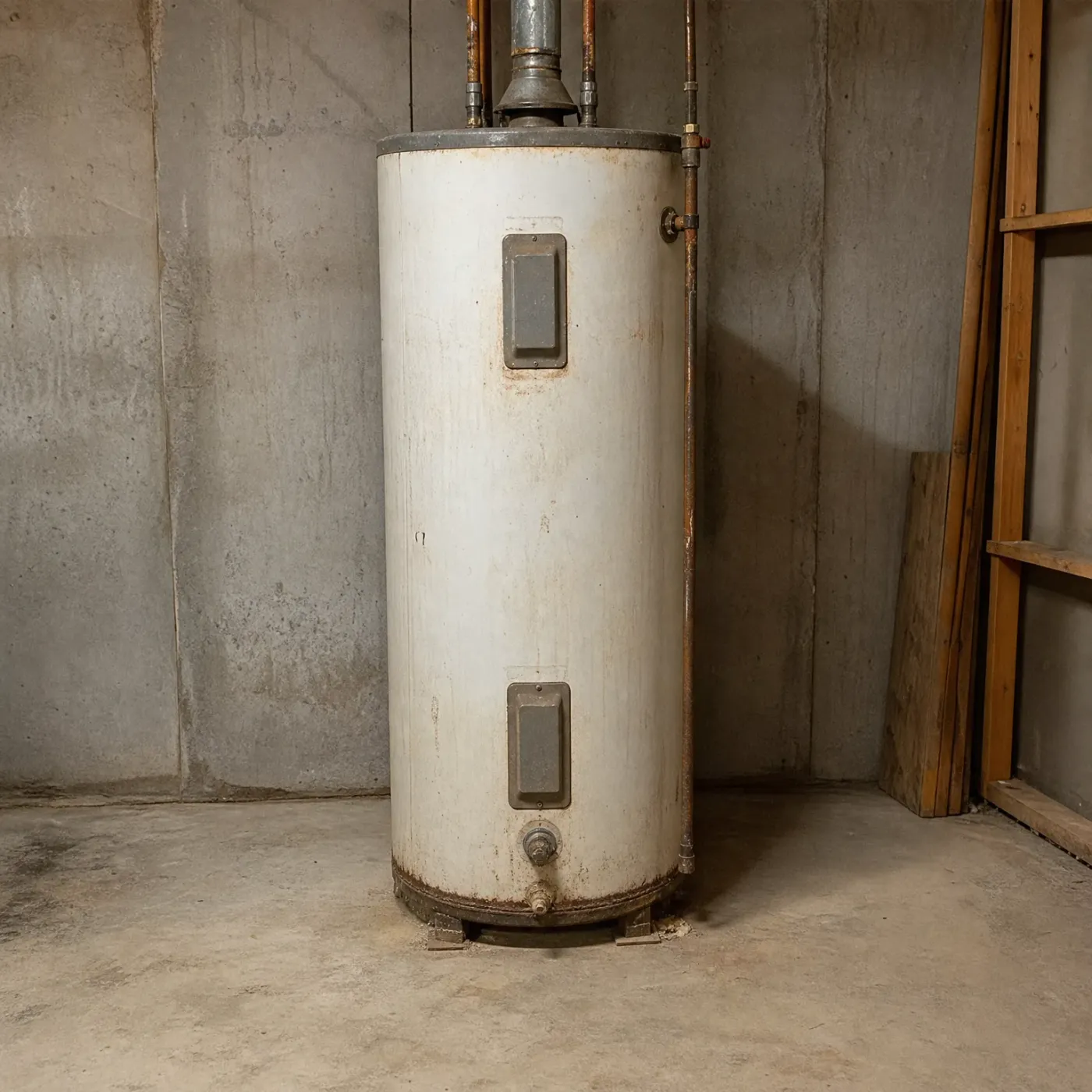
Once rust works down the side of the tank like this, the lining has already failed somewhere inside. The steel is corroding from the inside out, and no amount of draining or flushing brings a lining back. This is a tank on its way to a leak.
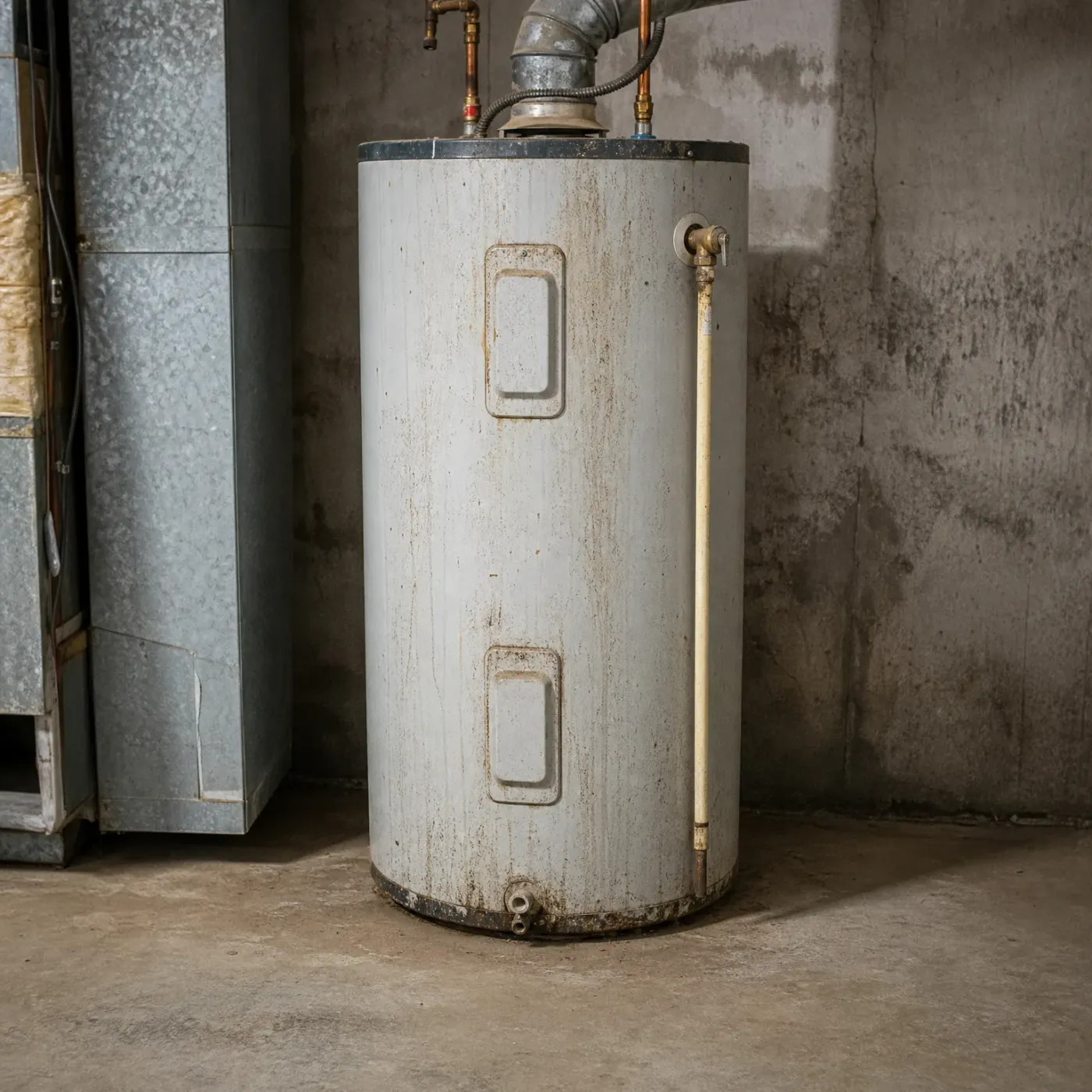
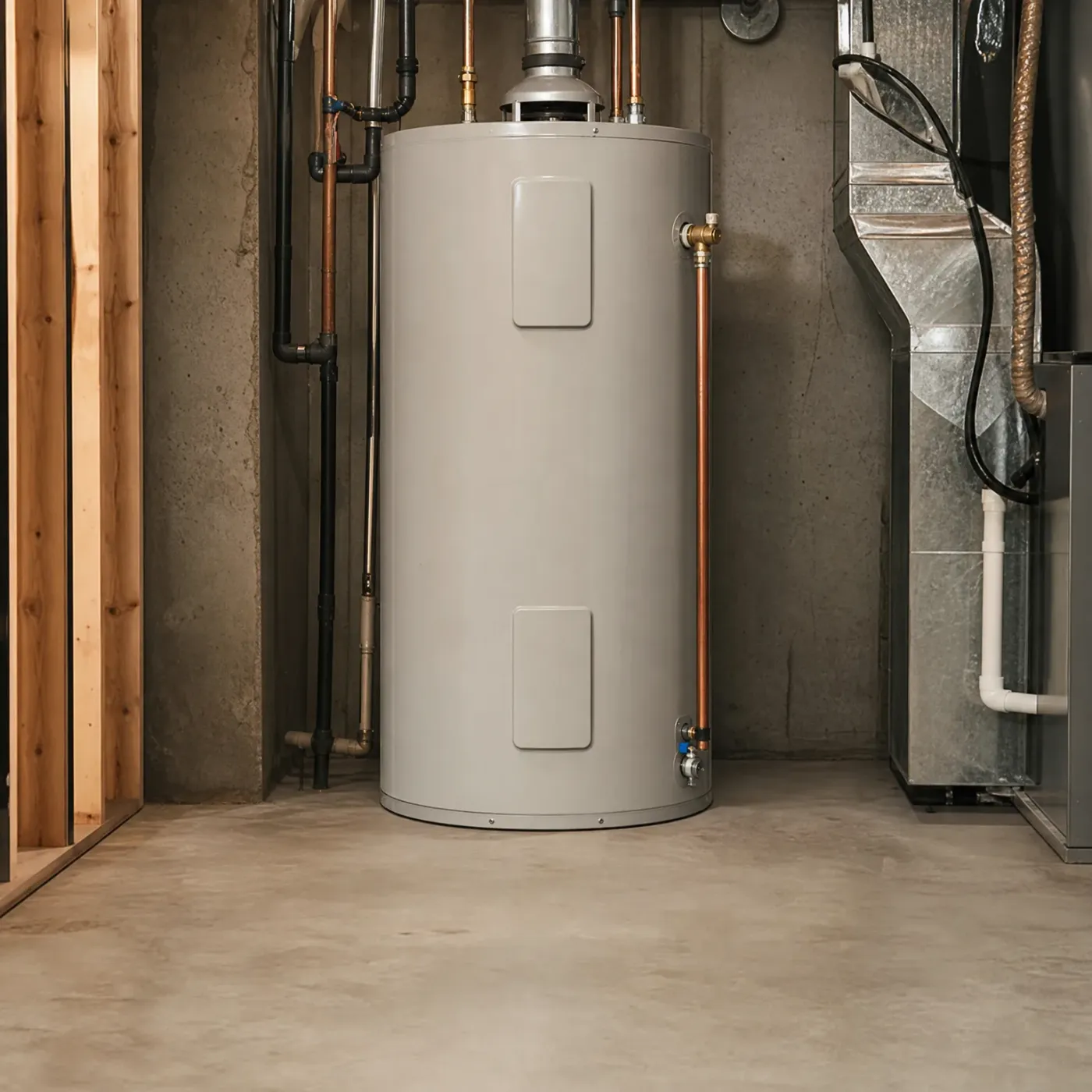
Once you've seen the signs, the next question is who you trust to put a new tank in. That usually means searching around, calling a few places, explaining the rust stains or the leak or the lukewarm water each time, then sitting on quotes trying to tell them apart. Submitting this request skips that. It goes to one licensed contractor working in your part of Maine, someone who sees these tanks fail every winter and knows what ten or fifteen years of hard water and high electric rates does to them. You're not fielding calls from five companies trying to win the job. A failing water heater in a Maine house doesn't wait for a good time to quit, especially once the cold sets in and everything else in the house is already working hard. Getting ahead of it now, while you can still choose the day, beats finding out the morning it finally gives out.
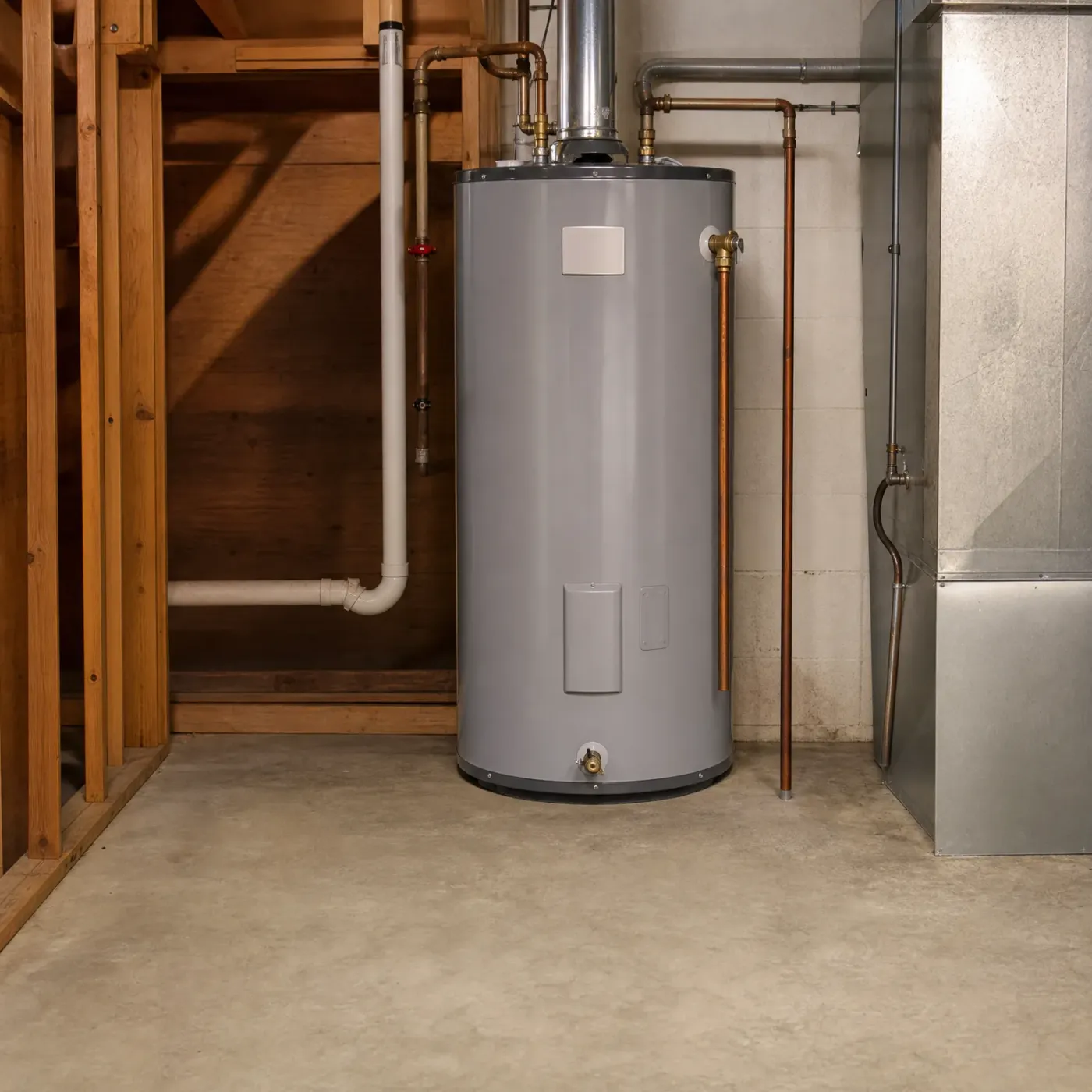
Most houses in Maine heat with oil, and your water heater is probably a separate tank doing its own job in the basement, not a side effect of the furnace. When that tank starts to go, it won't take the heating system down with it, but it won't fix itself either.
ACS 2020-2024 5-year B25040
The signs don't leave much room for guessing. Rust in the water, a tank that's wet at the base, or water that stays lukewarm no matter how long you run it mean the tank itself is failing, not some part you can swap out. Age matters too. Ten to fifteen years is the normal working life of a tank, and a unit in that range can quit without much warning even if it's been fine all along. In a state where most houses heat with oil and the water heater runs on its own, that failure stays contained to the basement, but it still means cold showers and a mess to clean up, and it tends to happen on the coldest week of the year rather than a convenient one.
Once you know it's time, the useful move is finding someone who already knows this equipment, not starting from zero yourself. A contractor who works on tanks in Maine basements all year has seen which fittings corrode first and which tanks fail at the seams versus the valve. You call one licensed installer, local to you, and explain what you're seeing once. No chasing down a handful of companies, no repeating the same description of the rust or the leak to each one, no stack of quotes to sort through and compare on your own. Just a straight path from what you noticed to someone who can act on it.
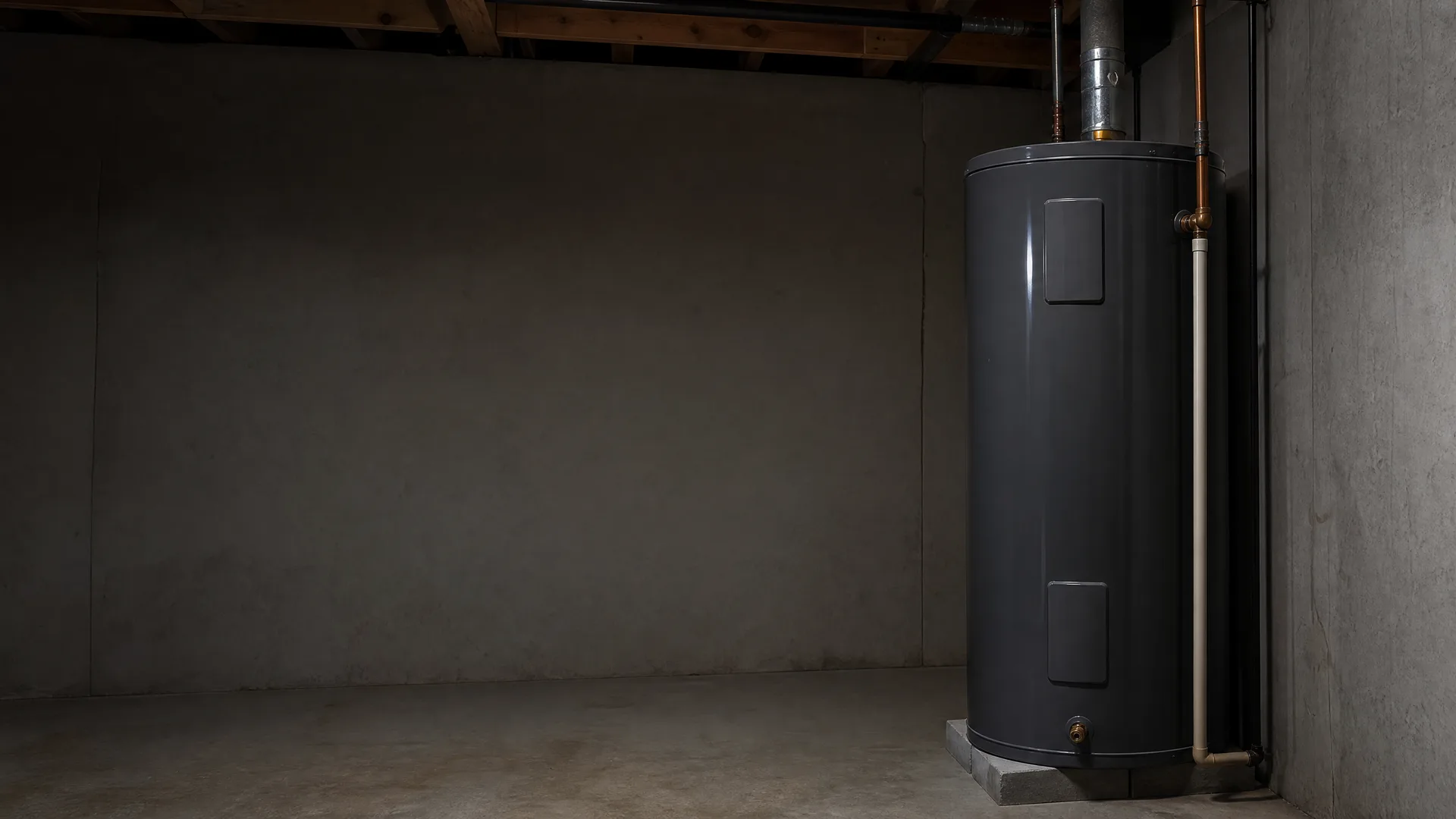
The pro who reaches out is licensed in Maine.