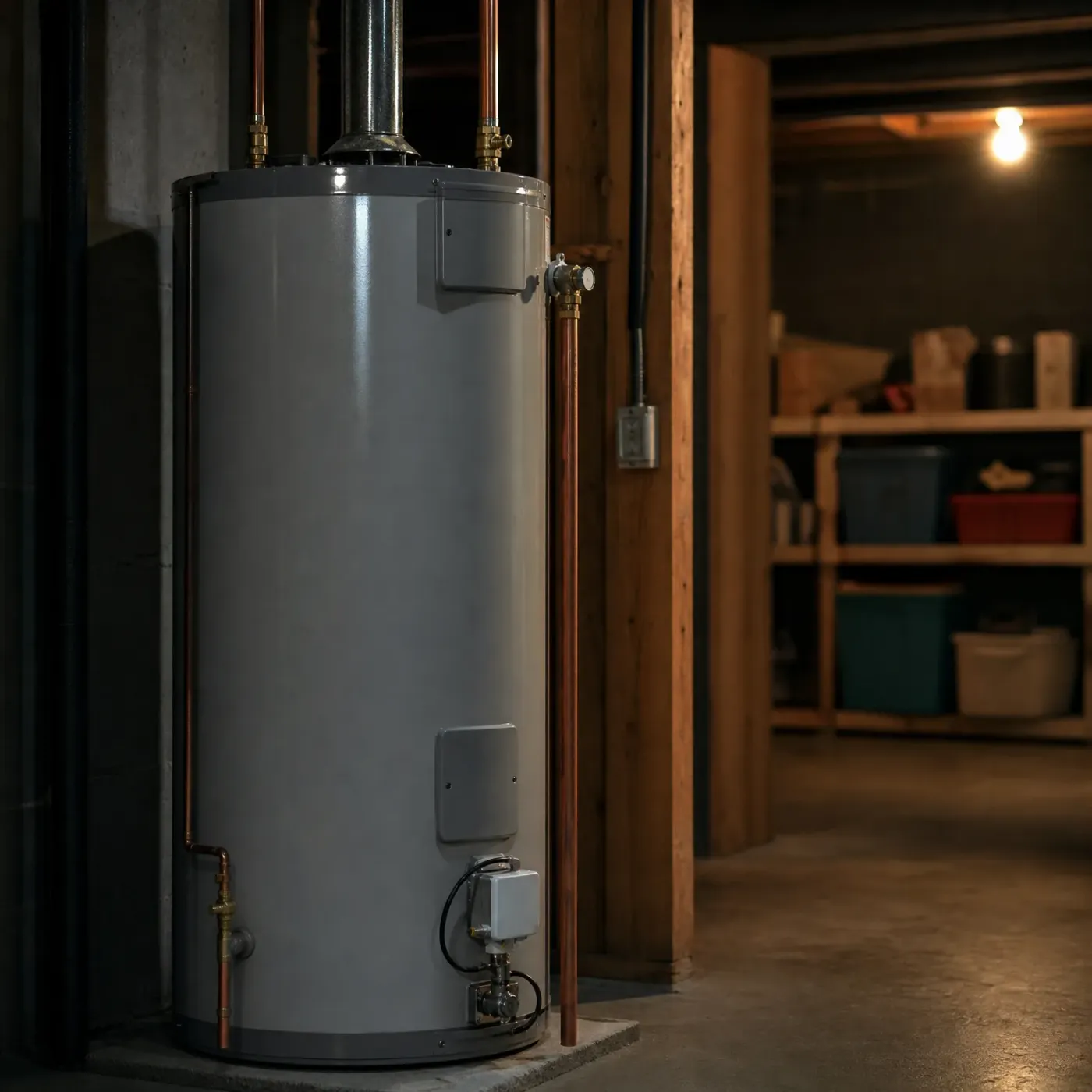
A local pro for your water heater repair
Why you run out of hot water fast in Maine
Running out of hot water fast usually means the heater is struggling to keep up, not that your family suddenly started using more. Most homes in Maine run their water heater off the same oil system that heats the house, and a unit that's falling behind shows it in the shower first. This page gets into what causes that, and can connect you with a licensed local contractor who works on these systems all winter and knows what tends to give out.
Get matchedRunning out of hot water fast usually comes down to sediment sitting at the bottom of the tank, a failing heating element, or a unit that's simply too small for what your household needs now. If your water heater runs off your oil system, the problem might not be the tank at all. It could be the heat exchanger or coil that transfers heat from the boiler, especially once that boiler has put in a few hard winters. Sediment buildup is common in tanks that sit idle for stretches, since Maine's mild summers mean less demand and more time for minerals to settle. That layer at the bottom acts like insulation, forcing the burner or element to work harder just to heat a smaller volume of water. Whatever the cause, it rarely fixes itself and tends to get worse through the winter, when you need hot water most and the system is already working hardest to keep up with both the house and the tank.
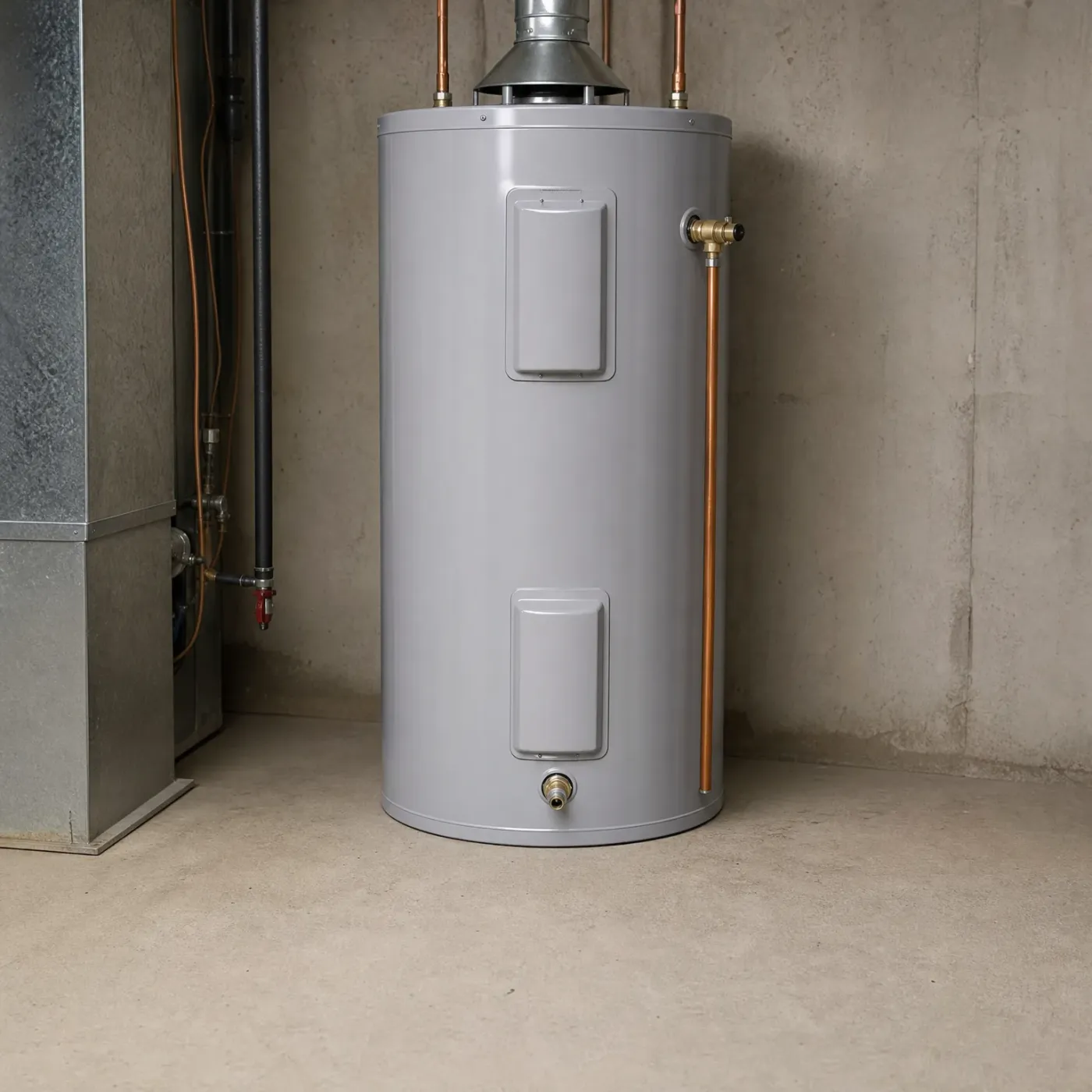
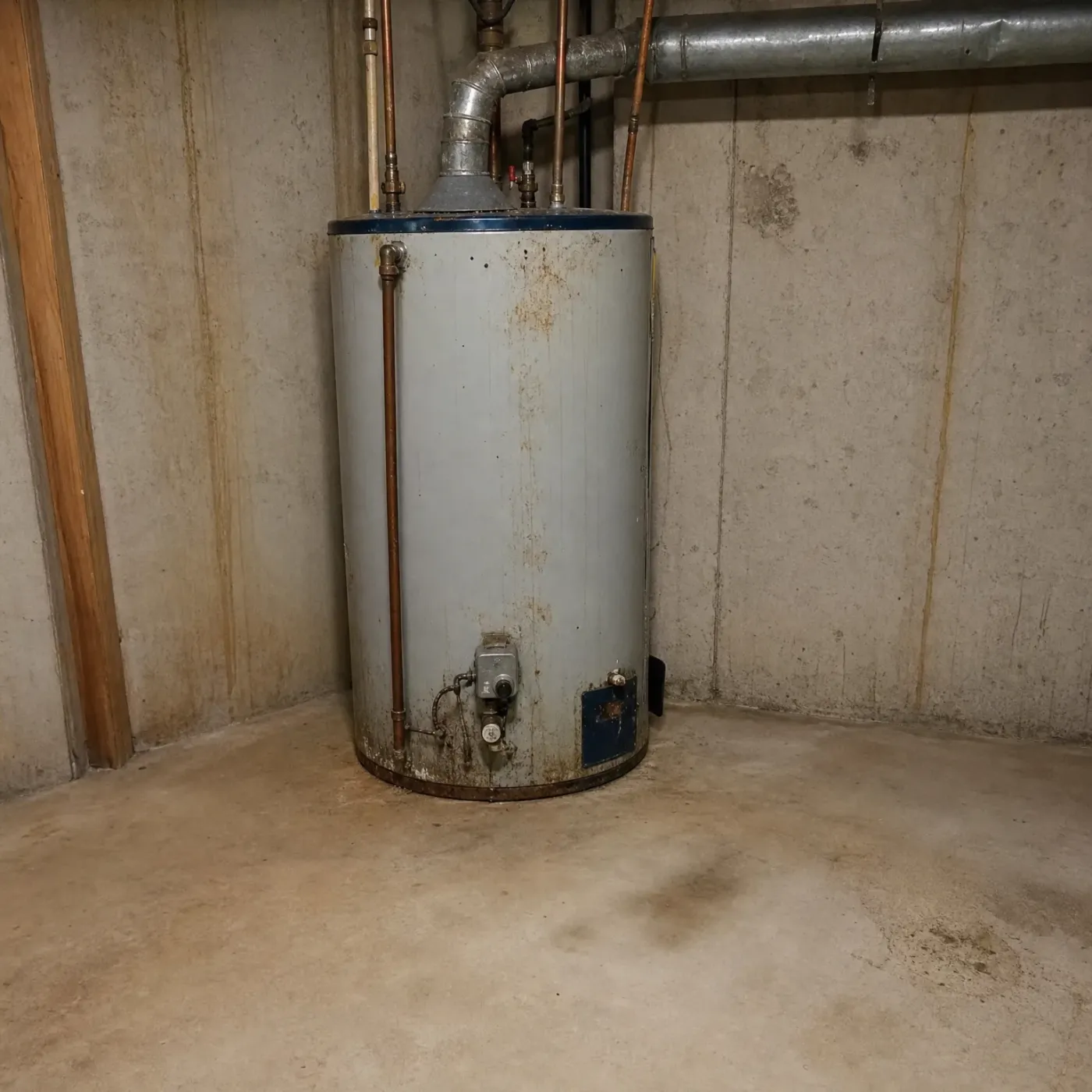
How a tank actually fails
- Sediment settles below the burner tube or heating element, so the flame or element heats the layer of sand instead of your water.
- A tank running on an oil-fired coil depends on the boiler reaching temperature first, so a boiler that's slow to fire leaves the coil starved too.
- The dip tube feeds cold water to the bottom of the tank, and a cracked one lets cold water mix straight into the hot layer near the top.
- A lower heating element that's failed leaves only the top element working, so the tank heats a smaller band of water near the outlet.
- Thermostat settings get knocked down during a service call or power blip, and a tank set 20 degrees low runs out that much sooner.
- A tank sized for a smaller household falls behind the moment someone runs the shower while the dishwasher is filling.
Sediment is the usual starting point. Water here carries minerals, and they settle to the bottom of the tank over time, forming a layer between the burner or element and the water above it. That layer acts like insulation in the wrong place, so the tank spends longer heating less water. If your water heater runs off an oil-fired coil instead of its own burner, there's another step involved. The coil only gets hot once the boiler itself reaches temperature, so a boiler that's slow to fire or cycling oddly leaves the coil without enough heat to pass along, and the tank never catches up.
Inside the tank, a plastic dip tube sends incoming cold water down to the bottom, where it's supposed to heat before it rises. When that tube cracks, cold water short-circuits into the hot layer near the top, and the water coming out of your tap cools off faster than it should. On electric tanks, there are two elements, one near the top and one near the bottom. If the lower one burns out, the top element still works, but it's only heating the water above it, a fraction of the tank's full capacity.
Sometimes nothing's broken at all. A thermostat dial can get bumped during a repair visit or reset low after a power outage, and a tank running 20 degrees cooler than it used to will run out that much sooner, every time.


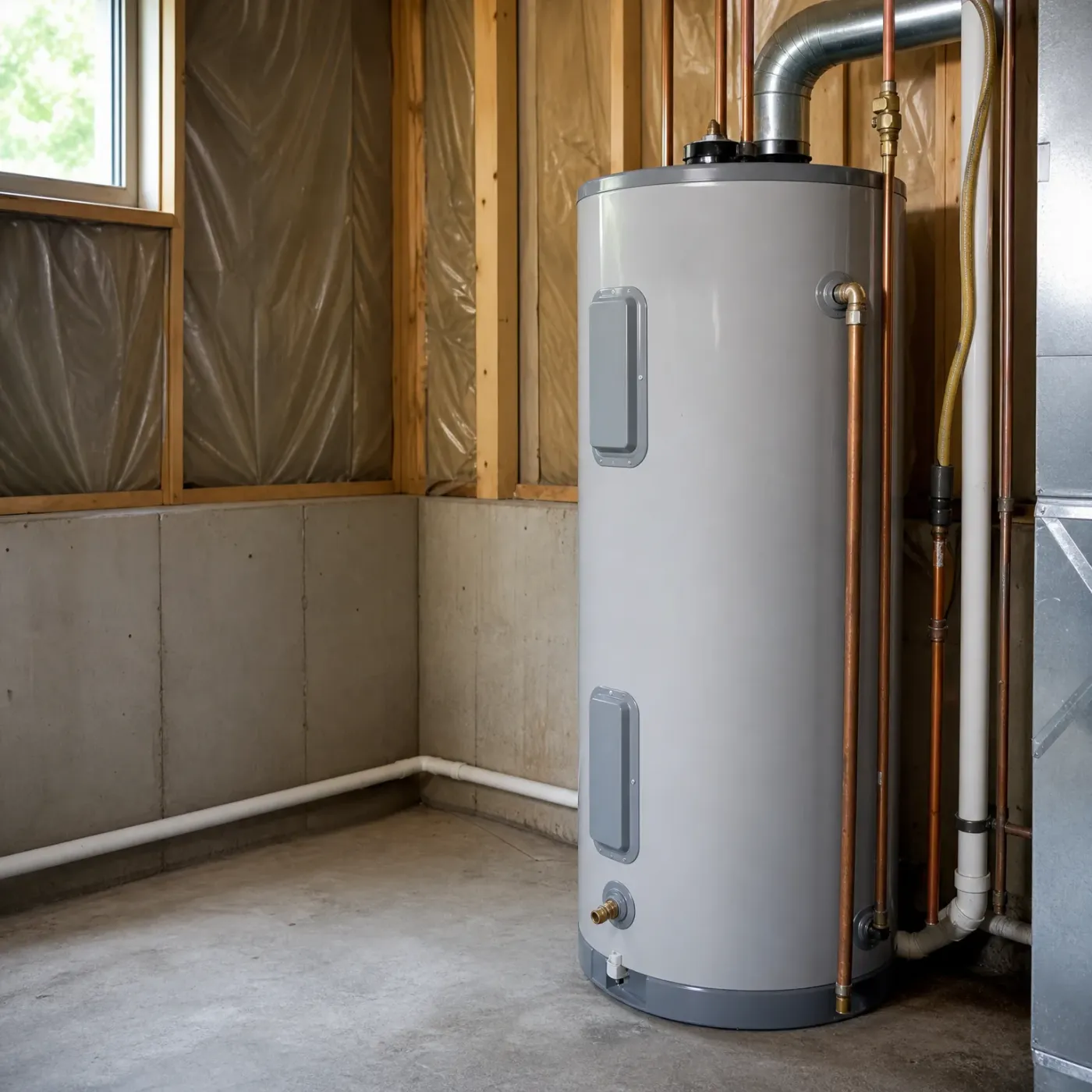
Get the right pro for your water heater
Only one pro gets your request, so you hear from one company.
Describe your water heater job, and a local pro who handles it gets in touch.
You only hire the pro if you want to.
Tank or Tankless: Why the Hot Water Quits
Tank-Style
- A failing lower heating element or a burner that won't hold a steady flame cuts your recovery time in half, so the second shower runs cold.
- Sediment buildup on an oil-fired coil model means the boiler has to work harder just to get the water to temperature.
- A thermostat stuck low shows up as water that starts warm and turns tepid well before the tank should be empty.
- Once the dip tube inside the tank cracks, cold water mixes straight into the hot layer at the top, and you lose hot water faster than normal.
- A tank sized for a smaller household runs out at the same point every time, regardless of what else gets repaired.
Tankless
- A scaled-up heat exchanger can't pull enough heat into the water fast enough, so the flow rate drops before the tank would even be an issue.
- A failed flow sensor tells the unit no one's using hot water, so it never fires even when a faucet is wide open.
- Running two fixtures at once can exceed what a single tankless unit was sized for, and the one at the end runs cold first.
- A dirty inlet filter restricts the water reaching the heat exchanger, which shows up as hot water that fades rather than cutting off outright.
- An igniter that's starting to fail will light the unit intermittently, so hot water comes and goes instead of running out all at once.
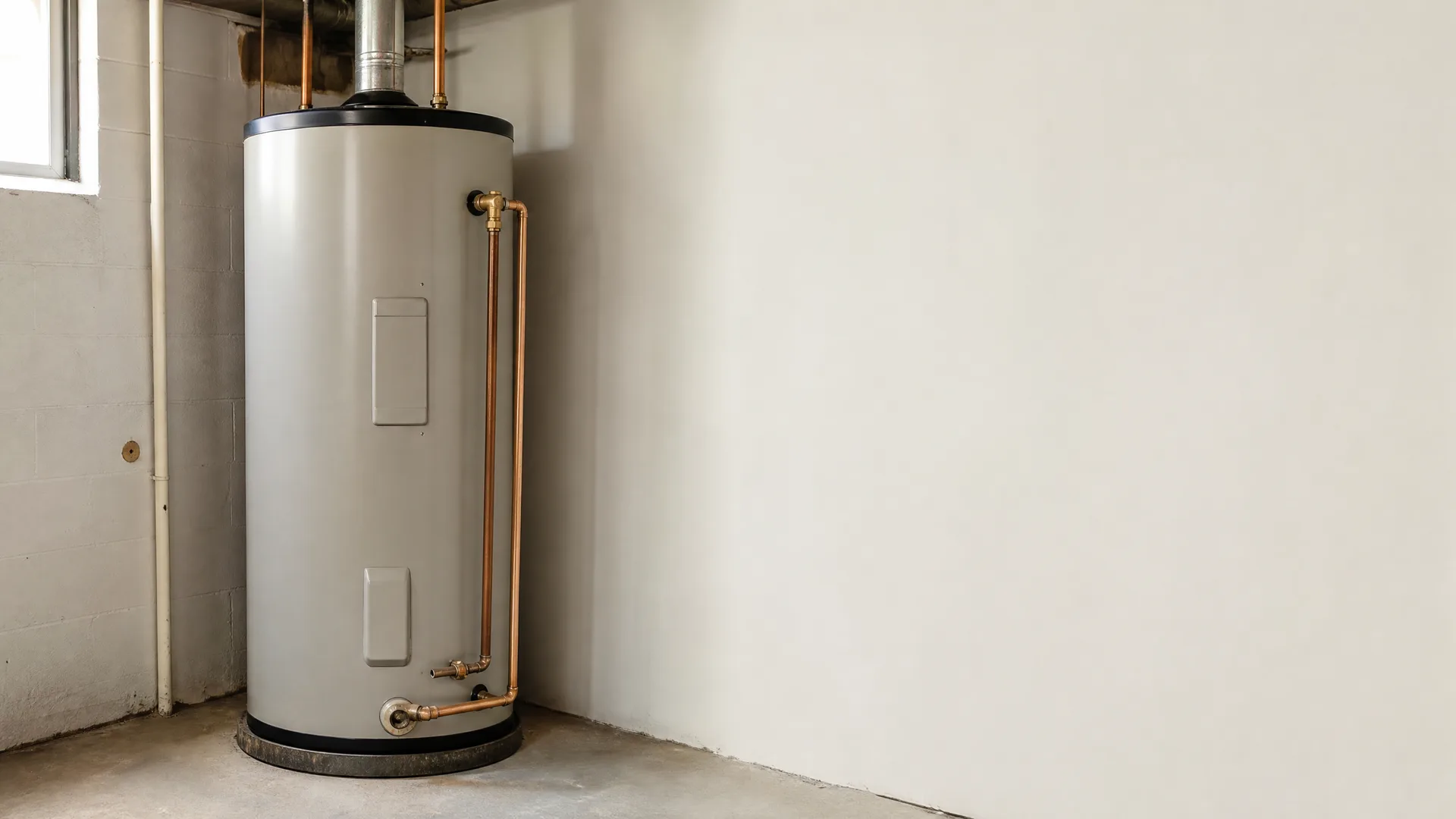
How recovery time actually works
A tank water heater doesn't just hold hot water, it has to make more as you use it. Recovery time is how long the burner or element takes to bring a new batch up to temperature after a shower drains the top of the tank. When sediment coats the bottom or a heating element is failing, that recovery time stretches out. You end up waiting longer between showers, or the next person in line gets lukewarm water instead of hot.
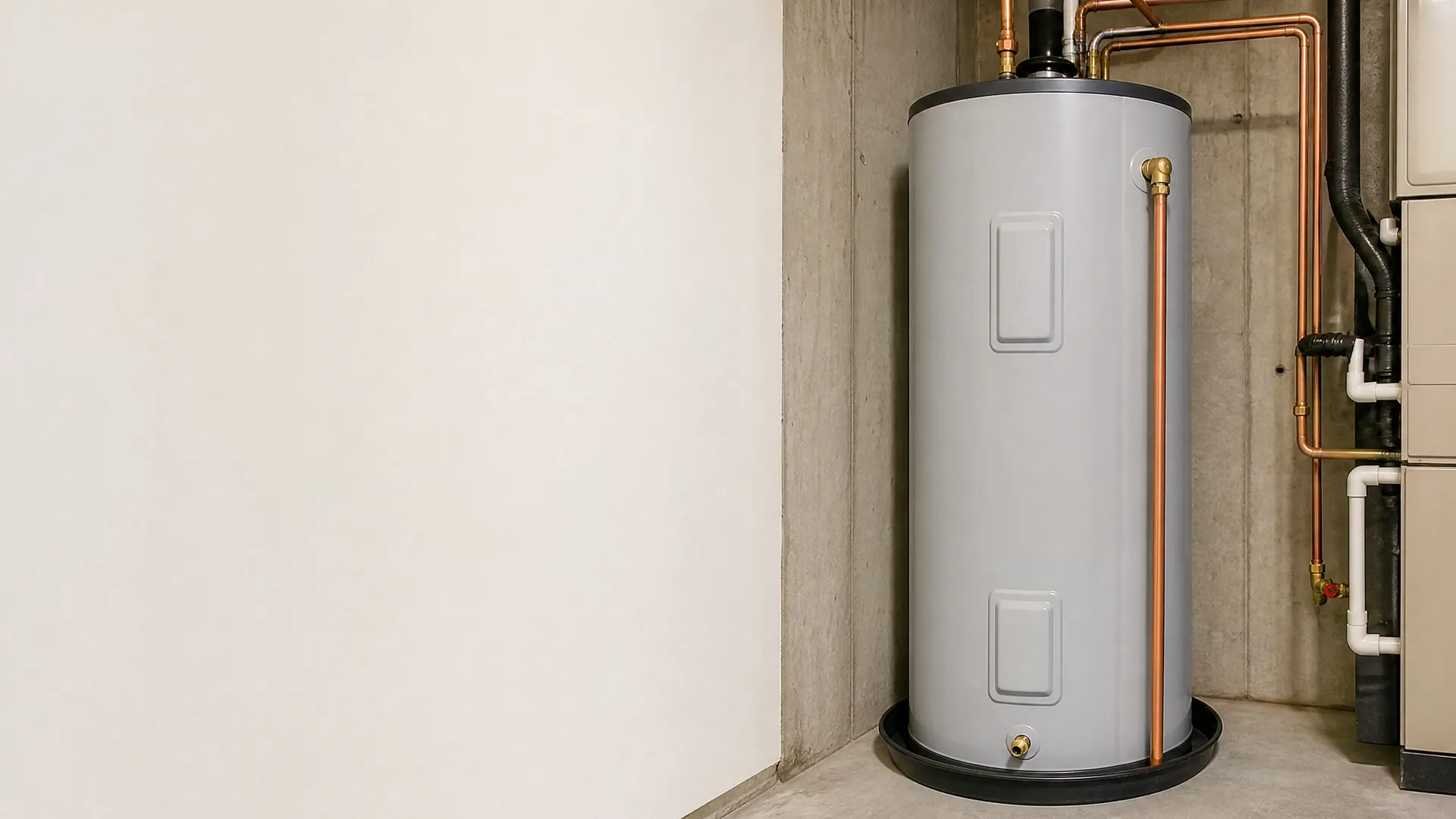
Why oil-fired units lag further behind
If your water heater runs off an indirect coil tied to your oil boiler, recovery depends on the boiler first reaching its set temperature before it can transfer heat to the tank. On a cold morning when the boiler is also trying to heat the house, that coil waits its turn. A unit that seemed fine in July can fall behind once the boiler is running steadily for heat, which is often when the shortage shows up first.
Is this your household right now
The first shower runs fine and the second one turns cold halfway through. You check the tank and the water that comes out looks a little rusty or has grit in it. The unit makes a popping or rumbling sound when it's heating, which is sediment shifting around at the bottom. If you're on oil, you might notice the boiler cycling more than it used to just to keep the coil hot enough. None of this fixes itself. A tank losing capacity to sediment or a failing element keeps losing ground, and the rust you see in the water now is the same rust that eventually opens a leak at the tank or the fittings.




55.3% of homes statewide heat with fuel oil
Most houses in Maine run hot water off the oil system, and that's what this comes back to. If the boiler is slow to fire or struggling, your tank falls behind before anyone's even gotten to the second shower.
ACS 2020-2024 5-year B25040

A tank that's falling behind won't fix itself
Running out of hot water fast comes down to a short list of causes: sediment in the tank, a heating element or burner that's not keeping up, or a unit that was never sized for what your house needs now. If yours runs off your oil system, slow recovery there carries straight through to the shower. None of these get better left alone.
A local contractor who services water heaters in Maine all year has seen this exact pattern before, on oil-fired coils and standard tanks alike, and knows what to check first. Once you request service, you're matched with one contractor suited to your setup, not a handful competing for your call, and that person reaches out to you directly to look at what's actually going on in your house.

A pro who works on water heaters
Your request stays with one local pro.