Tell us about the job
Takes about a minute. No obligation.
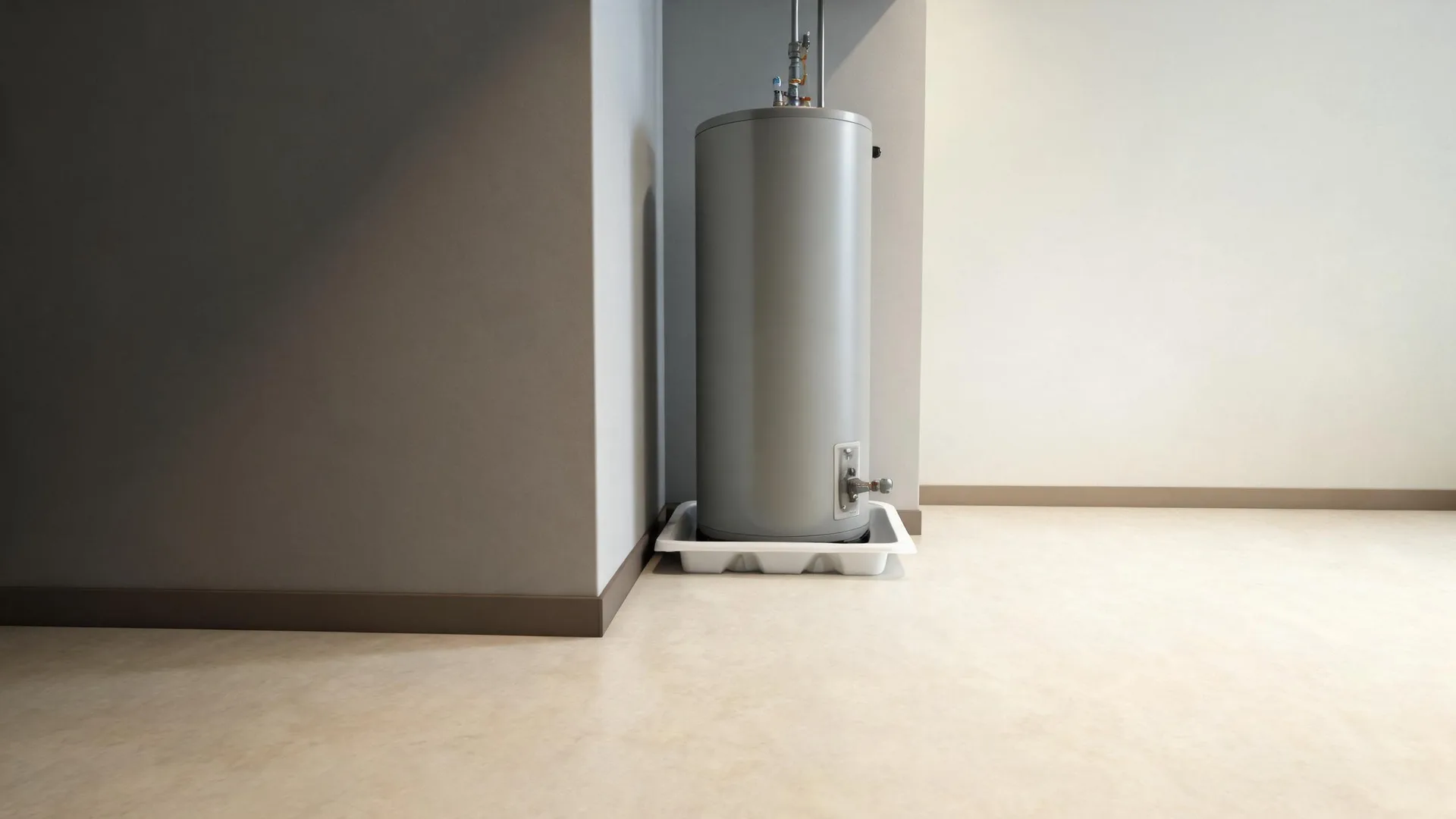
A contractor quoting a water heater replacement here starts with what the house already burns. Fuel oil or kerosene heats more occupied homes in Androscoggin County, Maine than any other fuel, at 58.9% (2020-2024 ACS 5-year). That share means most homes in the county run oil or kerosene fired equipment, and the venting, combustion air supply, and flue configuration that came with the old heater shape what the replacement is allowed to be. Swapping a unit without checking those conditions produces a mismatch the homeowner discovers in the first cold stretch. Contractors confirm flue diameter, draft hood clearance, and whether the existing supply air path meets code before they settle on a model.
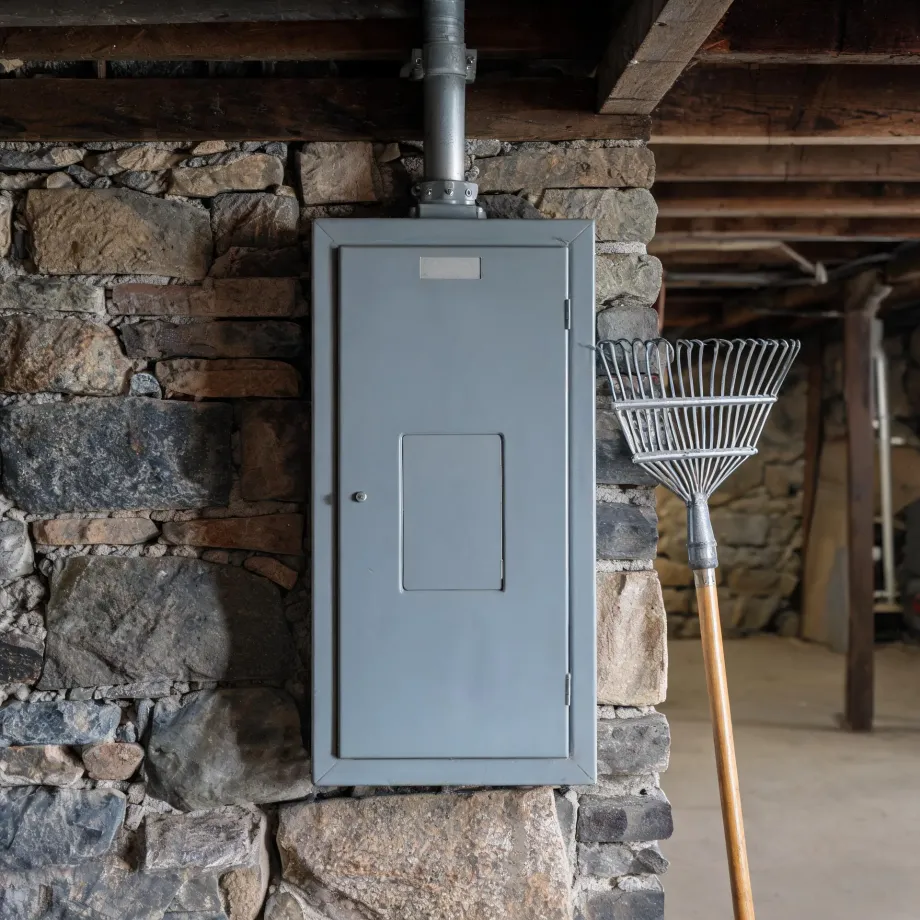
Electrical service panels in much of this county were built to carry the load of an era that ran on far less power than a modern water heater draws. Half the homes in Androscoggin County, Maine were built in 1969 or earlier (2020-2024 ACS 5-year). A contractor quoting a water heater installation has to look at what the panel actually has available, not what the spec sheet on the new unit says it needs. If the available capacity is short, the job changes before the water heater is even ordered.
What a Water Heater Installation Puts in Your Home
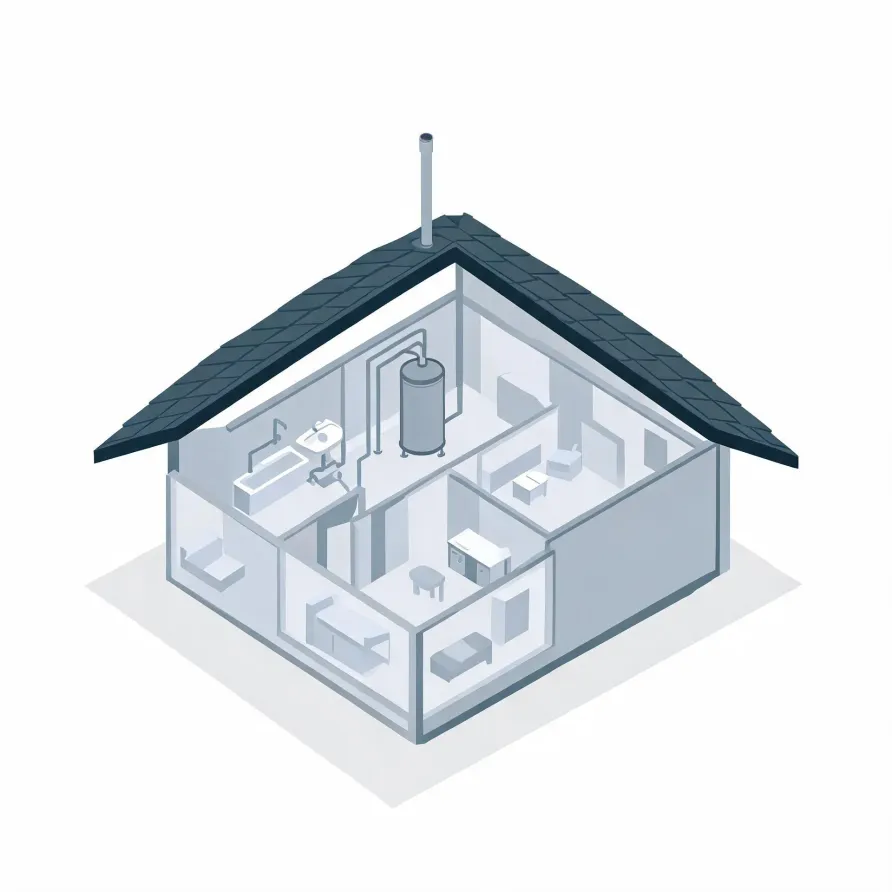
The tank is the piece most homeowners notice first. It sits in a utility space, basement, or closet and holds a supply of water that a burner or heating element keeps hot and ready. On tankless models, a compact unit mounts to a wall and heats water only as it flows through.
Feeding the tank are a cold-water inlet line and a hot-water outlet line that run to the fixtures throughout the house. A pressure relief valve mounts to the side of the tank as a safety device, and a drain valve sits near the bottom for servicing. Gas-fired units also connect to a flue that exits the house.
The drawing shows a typical layout, and a licensed contractor determines exactly what applies to your home.
Find a contractor in Androscoggin CountyAndroscoggin County by the numbers
110 severe weather events were recorded in Androscoggin County, Maine between 2015 and 2024.
NOAA National Centers for Environmental Information, Storm Events Database, bulk CSV export, events 2015-01-01 through 2024-12-31.Half the homes in Androscoggin County, Maine were built in 1969 or earlier (2020-2024 ACS 5-year).
U.S. Census Bureau, 2020-2024 American Community Survey 5-Year EstimatesAndroscoggin County, Maine holds 50,471 housing units (2020-2024 ACS 5-year).
U.S. Census Bureau, 2020-2024 American Community Survey 5-Year EstimatesOwners occupy 67.9% of the occupied homes in Androscoggin County, Maine (2020-2024 ACS 5-year).
U.S. Census Bureau, 2020-2024 American Community Survey 5-Year EstimatesSevere Weather Events in Androscoggin County
Extreme weather puts real stress on water heating equipment, shortening service life and driving up demand at the worst times. How often that happens here shapes what a water heater in Androscoggin County needs to handle.
110 severe weather events, 2015–2024. Source: NOAA National Centers for Environmental Information, Storm Events Database.