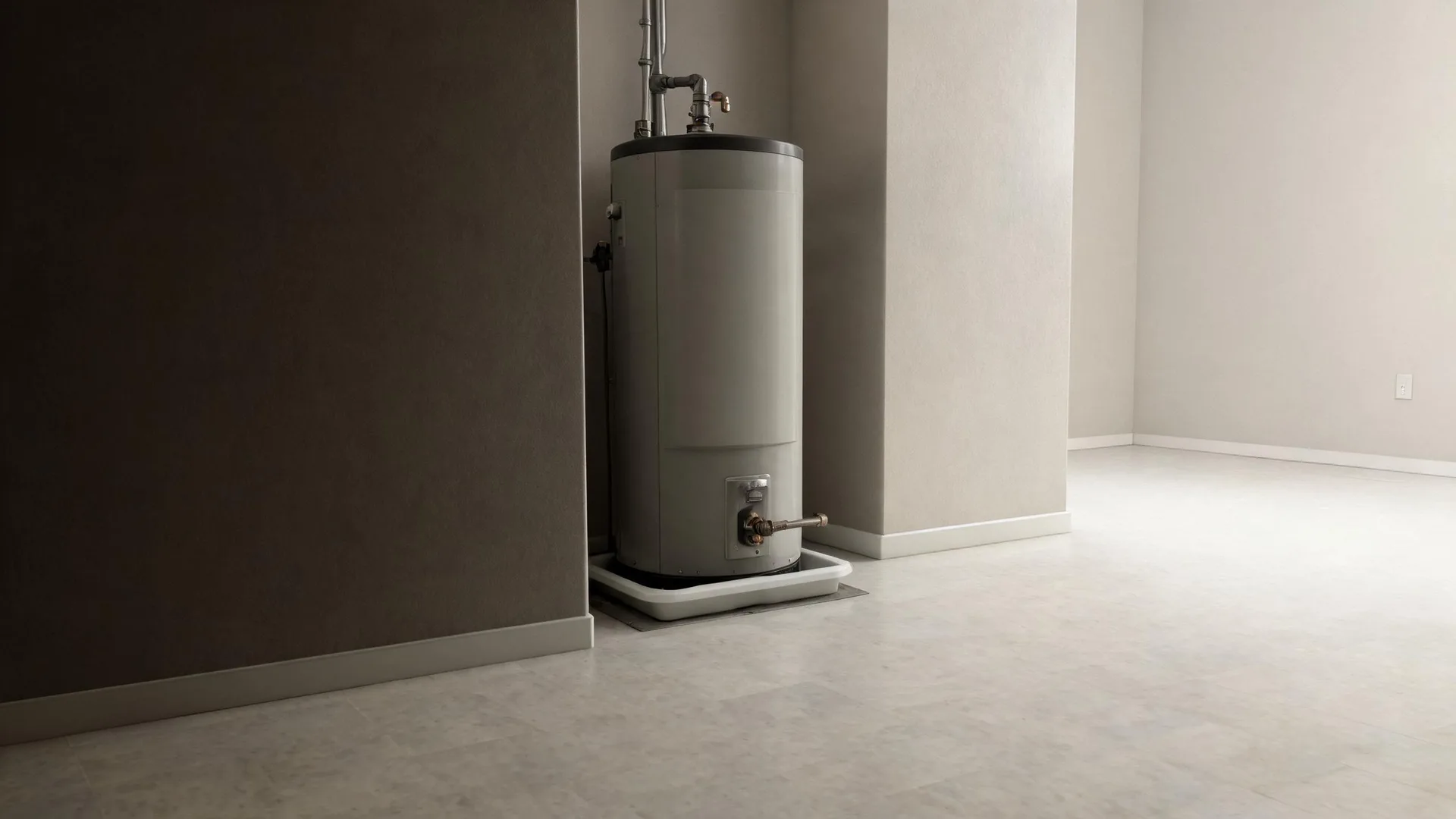
Tell us about the job
Takes about a minute. No obligation.
Fuel oil or kerosene heats more occupied homes in Penobscot County, Maine than any other fuel, at 54.8% (2020-2024 ACS 5-year). Fuel oil and kerosene systems put combustion components through repeated ignition cycles every time the tank calls for heat, and those parts accumulate wear in a way that electric or gas equipment does not. The burner nozzle, electrodes, and heat exchanger are the first things a contractor checks, because that is where the wear shows up. Sediment from oil combustion also settles in the tank and around the dip tube, which can mask an underlying burner problem until the repair call arrives.
Water heaters in houses like these have often run long enough that the parts inside them reflect a specification few manufacturers still stock. Half the homes in Penobscot County, Maine were built in 1977 or earlier (2020-2024 ACS 5-year). A contractor opening a unit in stock this old is checking whether the heating elements, anode rods, and control valves it takes are still in production, or whether the repair becomes a sourcing problem before it becomes a labor one. That answer comes from what is physically inside, and it changes what the job costs.
The Parts of a Water Heater a Contractor Checks During Repair
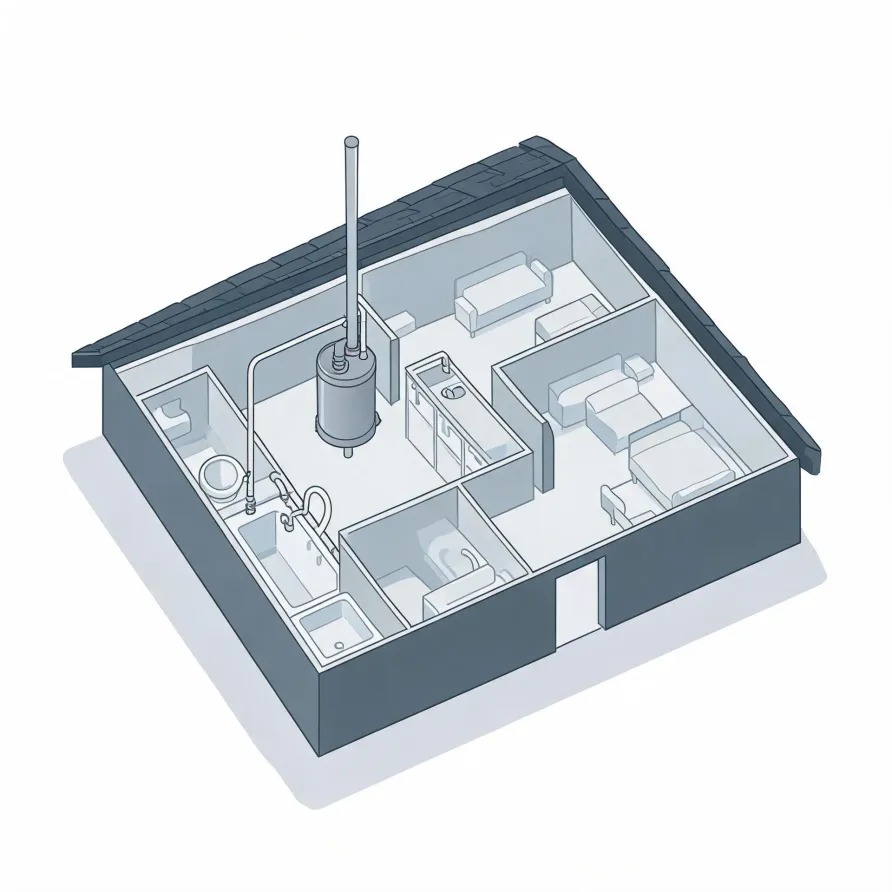
The tank is the piece you are most likely to have noticed, sitting in a utility room, basement, or closet and holding a supply of heated water ready for the taps. The burner assembly or heating element sits inside or beneath it and is what actually raises the water temperature. When either fails, the signs show up fast: no hot water, or water that never gets warm enough.
The pressure relief valve mounts on the side of the tank and releases if pressure inside climbs too high. The anode rod runs down through the tank interior and slows corrosion of the tank walls. The drain valve at the base, the supply and outlet pipes at the top, and the thermostat that governs temperature are all points a contractor works through when tracing a problem.
The drawing shows a general layout of these components, and a licensed contractor determines what applies to the specific unit and setup in your home.
Find a contractor in Penobscot CountyPenobscot County, by the record
369 severe weather events were recorded in Penobscot County, Maine between 2015 and 2024.
NOAA National Centers for Environmental Information, Storm Events Database, bulk CSV export, events 2015-01-01 through 2024-12-31.Half the homes in Penobscot County, Maine were built in 1977 or earlier (2020-2024 ACS 5-year).
U.S. Census Bureau, 2020-2024 American Community Survey 5-Year EstimatesPenobscot County, Maine holds 75,683 housing units (2020-2024 ACS 5-year).
U.S. Census Bureau, 2020-2024 American Community Survey 5-Year EstimatesOwners occupy 70.5% of the occupied homes in Penobscot County, Maine (2020-2024 ACS 5-year).
U.S. Census Bureau, 2020-2024 American Community Survey 5-Year EstimatesSevere Weather Events in Penobscot County
Maine weather puts real strain on water heaters. The harder a unit works through temperature swings and power disruptions, the more likely it is to need repair.
369 severe weather events, 2015–2024. Source: NOAA National Centers for Environmental Information, Storm Events Database.